Fire warden programs look basic on paper, yet the most effective ones are improved repetition, quality, and tranquility under pressure. I have seen well-intentioned strategies fail due to the fact that a warden did not understand where the second extinguisher was, or since the chief warden forgot to choose a scribe throughout a discharge. The distinction in between a clean drill and a messy event frequently comes down to disciplined training and distinct roles. This guide brings the regulative structure and everyday truths with each other, so you can establish or refresh your emergency control organisation in such a way that stands up when alarms are not theoretical.
What "excellent" appears like in 2025
For most work environments, conformity runs through an emergency situation plan secured by AS 3745 (Planning for emergency situations in centers) throughout Australia, underpinned by the Job Health and Safety framework and, for sure sectors, extra state or industry assistance. In practical terms, that implies designating the appropriate people, educating them to the appropriate competencies, piercing the plan, and keeping exact documents. Both country wide recognised devices you will keep hearing about are:
- PUAFER005 Run as component of an emergency control organisation. This is the backbone for wardens, flooring wardens, and interactions officers. PUAFER006 Lead an emergency control organisation. This is the criteria for primary wardens and deputy chiefs.
These devices, frequently delivered as a puafer005 course or puafer006 course, are not abstract tick-box workouts. When embedded appropriately, they convert directly right into the means a building clears, the method details streams, and the way small incidents are quit from becoming big ones.
Core functions and how they function together
Every work environment requires a customized lineup of wardens that matches occupancy, layout, and threat account. A single-level retail occupancy with 20 team and a handful of clients may have a chief warden, a deputy, and two area wardens. A multi-storey health center with combined occupancies will run a split structure, with flooring wardens, ward staffs, protection, and a central control factor. Various names show up in various sectors, however the relocating components are consistent.
The chief warden runs the occasion from the control point, using details from the panel, CCTV if available, and records from floor wardens. The deputy chief warden mirrors these duties and can be charged to area checks, communicate with contractors, or take care of unique actions like system seclusion. Floor wardens, also called emergency situation wardens, move locations, take care of neighborhood dangers like gas shut-offs and door control, and report all-clear standing back up the chain. Communications officers maintain the log, concern PA statements, and track headcounts. Occupant intermediary roles could support mobility-impaired individuals or coordinate with occupants. The framework is flexible, however the hierarchy must never ever be ambiguous.
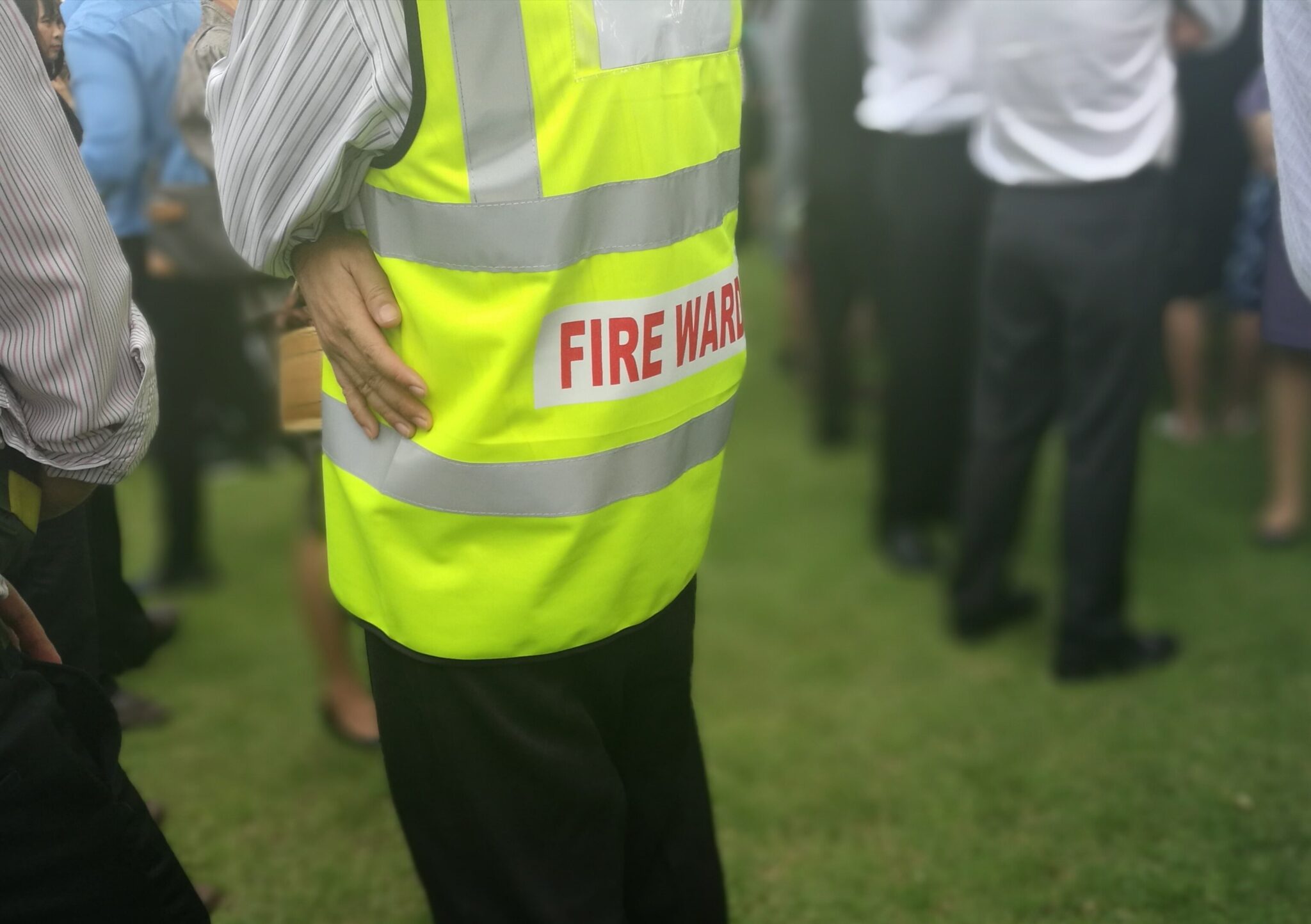
In most centers you will still see visual identifiers to minimize confusion. The fire warden hat colour is frequently red, and the chief warden hat or safety helmet is normally white. If you are asked what colour helmet does a chief warden wear, white stays the practical and commonly recognised answer in Australia. Some sites utilize vests as opposed to hats, often with reflective red stripes and huge block lettering. Whichever you select, keep it consistent and visible.

The training devices: what the content actually covers
A puafer005 operate as part of an emergency control organisation course covers the basics: using manual phone call factors, understanding alarm system phases, fundamental fire scientific research, human behaviour in emergency situations, location sweeps, and coverage lines. The better service providers insist on scenario-based technique. Anticipate to run substitute sweeps in smoke or at the very least low-visibility conditions, and to exercise choices like when to close smoke doors, just how to take care of a blocked egress course, and just how to take care of a troubled owner that wants to go back for a bag.
The puafer006 lead an emergency control organisation system is not simply a bigger variation of PUAFER005. It changes emphasis to management, decision-making under time stress, info triage, and control with emergency services. In a great puafer006 course you will certainly exercise checking out a fire indication panel, choosing the ideal PA message tone and material, structuring radio website traffic, and stating a full or partial discharge. You will likewise prepare for simultaneous occasions, as an example a false alarm occurring in one area while a confirmed fire is establishing in another.
Both units generally incorporate theory and hands-on sessions. Cardboard slides about extinguishers do not construct muscular tissue memory. Pulling the pin, sweeping the base, and feeling the recoil of a carbon dioxide extinguisher in a controlled atmosphere does. Ask companies whether they offer live-fire extinguisher practice and reasonable comms exercises. If they do not, you will certainly be left filling the space throughout your drills.
Fire warden demands in the workplace
There is no solitary number that benefits every structure. A useful guideline is one warden for each and every inhabited zone or floor, plus a principal and replacement. In high-traffic or high-risk locations, go for redundancy so you are not exposed throughout leave or shift transitions. Do not appoint wardens who are rarely on-site or bound in tasks that are hard to abandon. Reception and front-of-house team, for instance, can make excellent wardens due to the fact that they see foot web traffic and can maintain eyes on leaves, yet only if extra insurance coverage allows them to tip away when needed.
emergency warden courseSelection issues. Pick individuals that can stay calm, offer clear directions, and challenge nicely but strongly. Strong communicators deserve their weight in copper cable throughout an emptying. Physical fitness is a variable, however not an obstacle; set those with movement constraints right into functions at the control point or communications desk.
Document it. Your emergency warden register ought to recognize every warden, their area of responsibility, their training currency, and call details. It should additionally show the chief warden hierarchy. If you come to be reliant on a single person, the whole system becomes brittle.
Frequency: exactly how frequently to train and drill
As a standard, new wardens ought to complete a fire warden course aligned to PUAFER005 before tackling duties. Chiefs and deputies ought to finish the puafer006 lead an emergency control organisation system. Money matters. Many organisations embrace a 12-month refresher cycle for theory and a six-month cycle for sensible drills. Medical facilities and aged care usually exceed that as a result of susceptability accounts. If your building has a high turnover of passengers or seasonal population spikes, lock in added sessions prior to peak periods.
Rotate times and scenarios. If every drill happens at 10 a.m. on a Tuesday, the graveyard shift will certainly never see one, and the coffee cart becomes an untried hazard. Go for least one after-hours drill every year. Alternating scenarios: cooking fire on level 2, chemical spill in the plant space, smoke migration from the cellar, lift fault throughout an evacuation, severe weather shelter-in-place. The objective is not to trick wardens, it is to prepare their judgment for unfamiliar combinations.
What a robust fire warden course looks like
Content should be anchored in your website. Common slides assist, but site-specific risks make the learning stick. If your tenancy has a business cooking area, generate the cooking area manager to discuss gas seclusion and grease filter upkeep. If you store lithium-ion batteries, cover thermal runaway, air flow decisions, and when to shut the door and go out. If your base structure has fire curtains, demonstrate a secure going across during deployment.
Good trainers surpass the syllabus and resolve the human component: people do not such as leaving without their bags, they will hold lifts unless you manage lift lobby control, and they occasionally overlook alarm systems. Wardens require scripts and method for these moments. A company, short line functions: "For your safety, leave currently by means of the staircases. Lifts are not in service." Do not debate, do not increase your voice, and do not touch individuals unless they are in instant danger.
Chief warden training, responsibilities, and fact under pressure
Chief wardens bring the radio and, with it, the cognitive tons. The chief warden responsibilities cover four phases: pre-incident readiness, preliminary analysis, energetic monitoring, and handover to emergency services. Pre-incident job includes maintaining the warden lineup present, inspecting that warden sets are stocked, and running periodic tabletop situations. Throughout an alarm system, chiefs should determine quickly: examine, hold, partly evacuate, or clear the building. That decision is anchored in known info, not uncertainty. You can hold a presented evacuation if you have confirmation that the alarm system is isolated to a non-life-threatening event in a had location. You leave broadly when there is visible smoke, validated fire, or an unchecked risk such as gas leakage or battery thermal runaway.
Chief fire warden training ought to consist of radio self-control. A cluttered radio channel is worse than silence. Insist on brief, structured messages: That you are, where you are, what you see, what you need. For instance, "Degree 5 warden to Principal, smoke in passage B, leaving east wing, require safety and security to stop lifts at degree 4." The chief repeats and confirms, chief fire warden responsibilities then allots tasks.
The chief warden hat colour is normally white since visibility issues. When firefighters show up, they look for the boss. A white chief warden hat or vest makes that handoff much faster. The chief fire warden duties include a concise short to the fire solution: alarm system zones triggered, area and nature of occurrence as understood, condition of evacuation, any missing out on individuals or mobility-impaired occupants and their last well-known locations, and any type of special dangers like gas cylinders or battery storage.
Equipment: little details that make a big difference
Warden sets should be dull and full. A good package consists of a hi-vis vest or headgear, a whistle, a portable flashlight with extra batteries, a straightforward door wedge, a standard note pad and pencil, and the latest floor plan for their area. If you can manage radios for every single warden, do it. Otherwise, designate them to flooring wardens and above, and develop a back-up strategy utilizing runners. Batteries die. Have a charging routine, and consist of an extra radio at the control point. Your chief warden course ought to cover radio setup, talk teams if appropriate, and fallback procedures.
The site itself should be drill-ready. Exit doors that swell in moisture can turn a smooth discharge right into an uncomfortable fight with a lock. Test them quarterly. Keep fire doors from being propped open with bins or planters. If your structure makes use of a fire sign panel with a complicated food selection, print and laminate a brief quick-reference overview and install it near the panel.
Extinguishers and first-attack firefighting
The default rule still uses: people first, building secondly. Wardens do not play hero. First-attack firefighting with an extinguisher just occurs when the fire is tiny, the leave is clear, and a 2nd person watches and guards the escape path. Make use of the ideal representative. Water on an electric board or burning oil is a great way to escalate a tiny occasion. Train on the colour bands and tags, not just the old red-with-black band CO2 shorthand. Where lithium-ion battery threats exist, emphasise that extinguishers are unlikely to solve thermal runaway. Separate, cool from a risk-free range preferably, and evacuate.
Special occupancies and edge cases
Not all evacuations look the exact same. A dementia ward will not operate on the exact same hints as an office. Your emergency warden training have to adjust. In health care, straight evacuation into adjacent smoke areas is often the method, and staff need exercise with bed activity, oxygen shut-off points, and client prioritisation. In manufacturing, equipment shutdowns and lockout are the threats. In retail, customer flow and safety of tills come into play. Plan for children, pets, language barriers, and visitors who do not understand your exits.
There are awkward compromises. In high-security centers, you can not just prop open every door. Coordinate with security to make certain doors fail secure in a fire while securing crucial locations from opportunistic access. For after-hours occupancies, demand a clear after-hours warden roster. A building of 400 can really feel empty at 7 p.m., and the one contractor on degree 9 still deserves a functioning emptying plan.
The question of colours and identification
People routinely ask about the chief fire warden hat colour or the emergency warden hat colour as if there is a magic code. The sensible method in Australia continues to be basic and efficient: white for chief warden, red for wardens. Some websites include yellow for interactions or environment-friendly for emergency treatment. The objective is instantaneous acknowledgment, not stringent adherence to a global criterion. If you select vests over headgears, maintain the exact same colour reasoning and print large text on front and back. Run a brief induction slide for all personnel and regular professionals so they know that to follow.
Records that auditors and insurance companies care about
Paperwork does not produce fires, yet it pays the bills after one. Maintain training presence sheets, certifications of completion for each warden course, scenario outlines and end results for every drill, warden lineup money logs, and maintenance records for alarm systems, sprinklers, and extinguishers. If an insurance company asks exactly how you satisfy fire warden training requirements, a neat binder or cloud folder with dates, trademarks, and restorative activities talks quantities. When drills reveal troubles, document what you transformed, after that examination again.
Common failing modes and how to repair them
The exact same issues surface throughout buildings. Radios share networks with security and end up being pointless during an occasion. Repair it by designating a dedicated talk group for the emergency control organisation and practising its use. Wardens turn over and no person updates the lineup. Fix it with a quarterly calendar tip and make it somebody's determined KPI. People disregard alarms due to the fact that past activations felt like false positives. Repair it by varying drill times and connecting plainly concerning causes, and by ensuring real alarm systems are unusual via maintenance and mistake resolution.
Stairwells clog at the very first touchdown because people stop to check phones or conversation. Repair it by educating wardens to move individuals via the initial 2 landings before pausing, and by putting an extra warden at the very first landing throughout big emptyings. Mobility-impaired passengers wait for guidelines and really feel neglected. Fix it by appointing a friend program and listing sanctuary factors on layout, after that exercising the escort.
Selecting a training provider that will really boost performance
Certificates are easy to print. Proficiency takes initiative. Seek fitness instructors that ask for your floor plans, your threat register, and a telephone call with your building manager before the course. Good providers tailor the puafer005 and puafer006 material to your setting and bring props that mirror your equipment. Ask about instructor history. Someone who has functioned as a structure warden or in the fire solution will bring context you can not receive from a common slide deck. After training, promote a frank debrief: what worked, what requires a repair, and where your strategy is unclear.
A useful 90‑day rollout for newbie or lapsed programs
- Week 1 to 2: Confirm chief warden and deputy consultations, draw up areas, and develop the warden roster with backups. Week 3 to 6: Provide PUAFER005 training to wardens and PUAFER006 to chiefs and replacements. Problem vests, radios, and kit items. Week 7 to 8: Run a tabletop exercise with the principal team. Go through alarm system panel use, scripts, and radio protocols. Week 9 to 10: Conduct a building-wide drill, gather timings and monitorings, and file restorative actions. Week 11 to 12: Close corrective actions. Set up the following drill and set calendar suggestions for refresher courses over the coming year.
This speed is practical for many workplace environments, and it develops energy without frustrating operations.
Integrating wardens right into daily operations
The emergency situation control organisation should not collect dust in between drills. Build light-touch behaviors. Chiefs can run a five-minute month-to-month huddle to inspect rosters, radio batteries, and any brand-new dangers like building and construction jobs. Floor wardens can walk their leaves regular and report blocked egress or signage concerns. When brand-new starters show up, consist of a two-minute slide: alarm tones, departure places, setting up area, and who the wardens are. These little routines keep preparedness high and reduce the discovering contour throughout a real event.
Chief warden requirements when the fire service arrives
The handoff is quicker when info is succinct. Keep a standard briefing sheet at the control point and rehearse it during chief warden training. Consist of building address and access factors, alarm zones in activation, nature of the occurrence as comprehended, evacuation standing by flooring, understood hazards, and individuals unaccounted for with last well-known location. A map that shows hydrant boosters, fire control space, gas meters, and battery storage space saves minutes. After that go back and support operations as directed. Chiefs continue to be valuable handling building systems, keys, and resident communications.
Why drills in some cases really feel untidy, and why that is okay
A tidy, flawlessly timed drill could look wonderful on paper, but it can camouflage unseen areas. Real events hardly ever begin at the start of a shift with every warden on-site. Individuals panic, take incorrect turns, or freeze. Drills that expose confusion are productive. The procedure of a fully grown emergency situation control organisation is not the absence of errors, it is the rate at which those blunders are identified, taken care of, and not repeated. If a drill uncovers that your is faint in the loading dock, you have actually acquired a piece of dependability with fifteen minutes of disruption.
The profits on conformity and confidence
You fulfill fire warden training requirements by assigning a workable framework, putting wardens through the appropriate courses, drilling the strategy, and maintaining records. You develop self-confidence by practicing the small decisions that define an emergency: who speaks on the radio, which stairwell to send out individuals down when smoke is visible, when to close a door and leave. The certificates matter. The repetition matters more.

If your program has been dormant, begin with the fundamentals: PUAFER005 for wardens, PUAFER006 for chiefs, a clear roster, functioning radios, visible identifiers, and a drill in the following sixty days. If your program is fully grown, stretch it: run a night drill, exercise a partial evacuation, examination a communications failure situation, or incorporate a shelter-in-place for severe weather condition. The goal is not perfection, it is durability under stress.
When the alarm rings, the structure will not climb to the level of its documentation. It will certainly fall to the degree of its training. Construct that training on actual circumstances, clear roles, and self-displined interaction, and your individuals will discover the exits when it counts.
Take your leadership in workplace safety to the next level with the nationally recognised PUAFER006 Chief Warden Training. Designed for Chief and Deputy Fire Wardens, this face-to-face 3-hour course teaches critical skills: coordinating evacuations, leading a warden team, making decisions under pressure, and liaising with emergency services. Course cost is generally AUD $130 per person for public sessions. Held in multiple locations including Brisbane CBD (Queen Street), North Hobart, Adelaide, and more across Queensland such as Gold Coast, Sunshine Coast, Toowoomba, Cairns, Ipswich, Logan, Chermside, etc.
If you’ve been appointed as a Chief or Deputy Fire Warden at your workplace, the PUAFER006 – Chief Warden Training is designed to give you the confidence and skills to take charge when it matters most. This nationally accredited course goes beyond the basics of emergency response, teaching you how to coordinate evacuations, lead and direct your warden team, make quick decisions under pressure, and effectively communicate with emergency services. Delivered face-to-face in just 3 hours, the training is practical, engaging, and focused on real-world workplace scenarios. You’ll walk away knowing exactly what to do when an emergency unfolds—and you’ll receive your certificate the same day you complete the course. With training available across Australia—including Brisbane CBD (Queen Street), North Hobart, Adelaide, Gold Coast, Sunshine Coast, Toowoomba, Cairns, Ipswich, Logan, Chermside and more—it’s easy to find a location near you. At just $130 per person, this course is an affordable way to make sure your workplace is compliant with safety requirements while also giving you peace of mind that you can step up and lead when it counts.